Why Spacebase Is the Best Lease Accounting Software
There is no shortage of lease accounting software. There are legacy platforms built before ASC 842 existed and retrofitted for compliance. There are point solutions that handle one standard but not others. There are spreadsheet-based workflows that technically produce the right numbers — until they don't.
Spacebase was built differently. It was designed in 2015 specifically because Airbnb needed lease software that could handle a complex, multinational portfolio and could not find anything on the market that worked. That origin matters. It means the platform was purpose-built for the accounting workflows that actually exist in large, complex organizations, not adapted from a property management tool or bolted onto a general ledger.
This post makes the specific case for why Spacebase is the strongest lease accounting platform available, and what that actually means in practice for controllers, accounting managers, and CFOs.
It Handles the Full Accounting Lifecycle, Not Just Initial Recognition
Most platforms can handle lease commencement. The real test is what happens after: modifications, reassessments, partial terminations, impairment, and multi-standard parallel reporting.
Lease modifications. When a lessee extends a lease, reduces space, or adds locations at non-market rates, remeasurement is required. Spacebase handles both scenarios under ASC 842: modifications that qualify as separate new contracts and those that require remeasurement of the existing liability and ROU asset using a revised IBR at the modification date.
Reassessments. Significant leasehold improvements, changes in renewal option probability, and index-based payment changes all trigger reassessment. Spacebase flags these events and processes the remeasurement automatically, with a full audit trail of what changed, when, and why.
Partial terminations. When a lessee gives back a portion of leased space, the ROU asset and lease liability must be reduced proportionately, with any difference recognized as a gain or loss. Spacebase handles this correctly, a calculation that trips up many platforms.
Multi-standard support. For organizations reporting under both ASC 842 and IFRS 16, or adding GASB 87/96 for government entities, Spacebase maintains parallel ledgers on the same lease without requiring duplicate data entry. Most platforms require you to choose a primary standard and work around it for others. For more on multi-standard complexity, see our post on what to do when your company needs to comply with multiple lease accounting standards.
The Audit Trail Is Built for Auditors, Not Just Users
Lease accounting is a system of record. Every journal entry, every remeasurement, every IBR assumption needs to be traceable and defensible. Spacebase stores a complete, immutable history at the lease level: IBR inputs, modification events, reassessment triggers, and the calculations that produced every line item.
An auditor can follow a journal entry back to the specific lease event that generated it. Disclosure reports are reproducible as of any prior period, not just the current date. That level of traceability is what separates a platform that survives audit from one that creates problems during it.
Bill Paulin, CFO of General Glass International, described the difference after switching to Spacebase:
"What used to be a major risk in our financial statements is not even a thought. I don't need to worry about taking 10 to 20 hours out of my time during our preparation for the fiscal audit. On a monthly basis, I don't even need to get involved with the journal entry."
GGI replaced 30+ Excel tabs with Spacebase, cut audit prep time by roughly 80%, and reduced month-end journal entries from hours to minutes. Read the full GGI case study.
Disclosure Reporting Is Audit-Ready Out of the Box
ASC 842 and IFRS 16 disclosure requirements are extensive. Spacebase produces the full disclosure package without manual reformatting:
- Maturity analysis of undiscounted lease payments by year and thereafter
- Reconciliation of operating and finance lease liabilities
- Weighted average remaining lease term and discount rate by lease class
- Variable lease cost, short-term lease cost, and sublease income separately disclosed
- ROU asset rollforward for finance leases
- Operating lease cost on a straight-line basis
Ask for a sample disclosure package during your demo and have your audit firm review it before you sign a contract. That is the standard we hold ourselves to.
ERP Integration That Actually Works
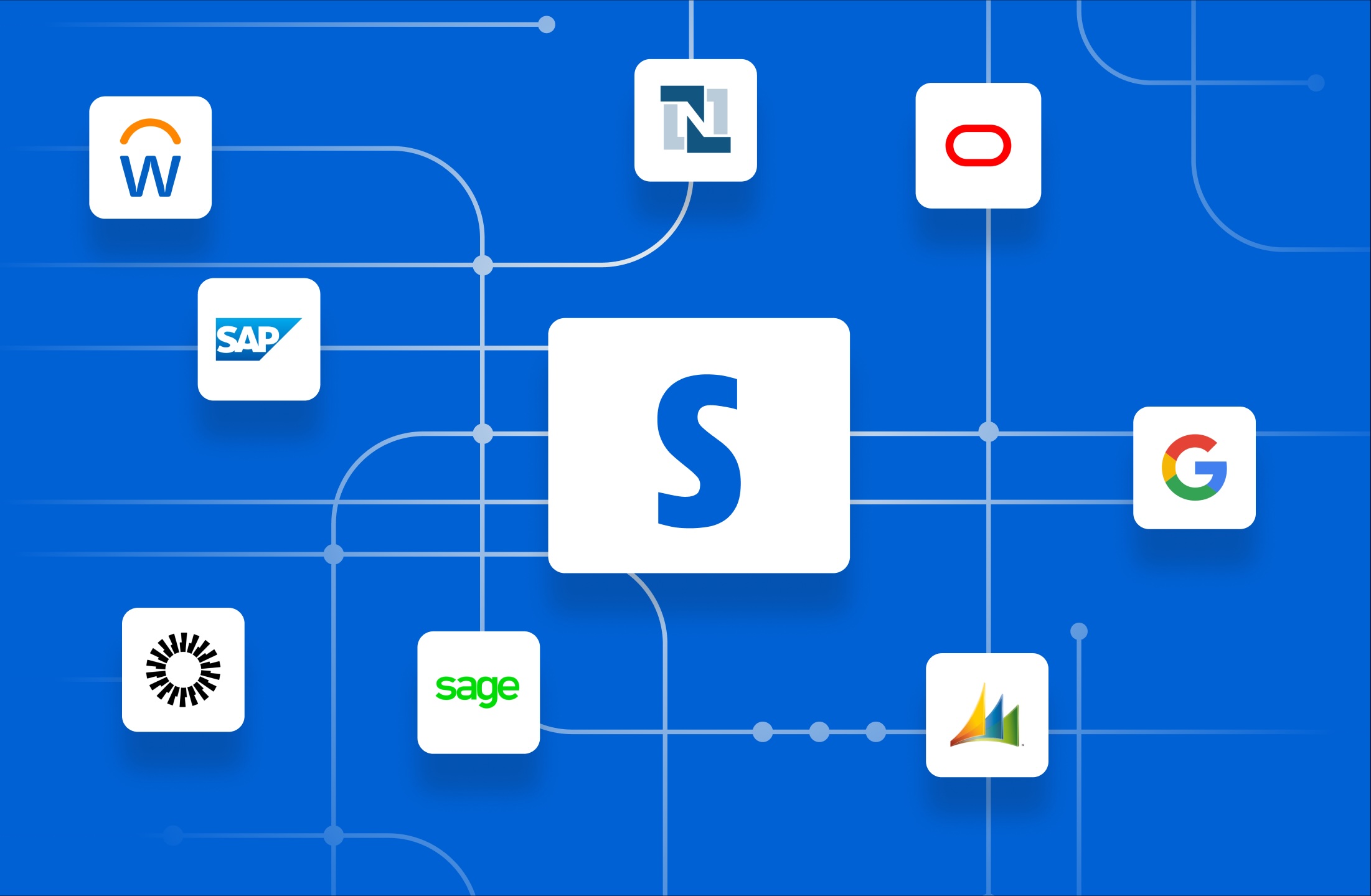
Lease accounting that does not connect to your GL creates manual reconciliation work every month. Spacebase integrates directly with NetSuite, QuickBooks, Sage, and other major ERP systems, posting journal entries directly to your chart of accounts with the correct cost center and entity mapping.
The integration is maintained by Spacebase, not a custom build your team is responsible for. When your chart of accounts changes, your integration changes with it.
CBRE's lease administration analysts use Spacebase's custom reporting and integration capabilities across a portfolio of 1,200+ leases across three countries, saving an estimated 72 hours per month.
IBR Methodology Is Handled Correctly
The incremental borrowing rate is one of the most consequential inputs in lease accounting and one of the most frequently mishandled. Spacebase stores IBR assumptions at the individual lease level with full version history. When a lease is modified or reassessed, the revised IBR is applied at the correct date, not carried forward from commencement.
For organizations applying the practical expedient to use a single portfolio IBR by class of underlying asset, Spacebase supports that approach with documentation to support the auditor's review.
For more on evaluating how platforms handle IBR and other technical requirements, see our guide to choosing the right lease accounting software.
Implementation in Weeks, Not Months
Legacy platforms often require six months or more to implement, with significant professional services fees. Spacebase implementations typically take 4-5 weeks. The team manages the process and the pace is set by the customer, not the vendor.
For teams that need help with lease abstraction, Spacebase offers a paid abstraction service so your team is not spending weeks on data entry before go-live. It is the same service that helps enterprise customers with large portfolios get up and running quickly without pulling accounting staff off their day jobs.
What Customers Say
Airbnb manages a large portfolio across multiple countries on Spacebase. Pierce Neinken, Head of Global Portfolio Management, credits Spacebase with giving his team complete visibility across a portfolio that spans dozens of markets.
CBRE uses Spacebase for lease administration across complex multi-country portfolios. Cynthia Kaki, Lease Administration Analyst, calls the custom reporting "a game changer."
Verkada uses Spacebase for workplace and real estate planning across its enterprise portfolio. Their Senior Manager of Global Space and Occupancy Planning describes it as one of the few platforms that effectively bridges the gap between lease accounting, space planning, and workplace strategy.
Spacebase holds top ratings across G2, Capterra, GetApp, and Software Advice, with reviewers consistently citing ease of use, responsive support, and audit confidence as the primary reasons for their ratings.
Security That Meets Enterprise Requirements
SOC 1 Type II certified. Role-based access controls with granular permissions across accounting, finance, and real estate teams. SSO and MFA supported. 24/7 threat detection and monitoring. Complete audit logs for every change to every lease record.
For more on what SOC 1 Type II means for lease accounting software, see our post on SOC 1 Type 2 for lease accounting software.
The Bottom Line
Spacebase handles the full ASC 842 and IFRS 16 accounting lifecycle with the technical depth that complex portfolios require, the audit trail quality that auditors expect, and the usability that finance teams actually value. It connects lease administration and lease accounting in one system, so real estate and finance teams work from the same data. And it implements in weeks, not months.
Not ready for a demo? Compare Spacebase against other lease accounting platforms
FAQ
What accounting standards does Spacebase support? ASC 842, IFRS 16, GASB 87, and GASB 96, with parallel reporting across multiple standards on the same lease.
How long does implementation take? Typically 4-5 weeks. Spacebase manages the process and works at the customer's pace. A paid lease abstraction service is available for teams that need help with data entry.
Does Spacebase integrate with our ERP? Yes. Spacebase integrates with NetSuite, QuickBooks, Sage, and other major ERP and AP systems, posting journal entries directly to your GL mapped to your chart of accounts.
How does Spacebase handle lease modifications? Both scenarios under ASC 842 are handled: modifications that qualify as separate new contracts and those requiring remeasurement of the existing liability and ROU asset. The revised IBR at the modification date is applied automatically, with a full audit trail.
What does the audit trail look like? Every change to every lease record is timestamped and attributed to a specific user. Journal entries are traceable to the specific lease event that generated them. Disclosure reports are reproducible as of any prior period. IBR assumptions and modification inputs are stored at the lease level with version history.
Is Spacebase SOC 1 Type II certified? Yes. Spacebase is SOC 1 Type II certified, with role-based access controls, SSO, MFA, and 24/7 threat monitoring.